
Smart films: what they are, how they work and why they represent the future of privacy control and energy efficiency
Smart films are an advanced technology based on liquid crystals that allows a glazed surface to instantly switch from transparent to opaque through a simple electrical impulse. Increasingly in demand in contemporary architecture and technological design, smart films represent an innovative solution for managing privacy, light and comfort in modern environments. When referring to smart films, we mean LCD films that can be applied to existing glass or integrated into new glazed surfaces, offering dynamic control of transparency without invasive structural interventions.
Table of contents
The operation of smart films is based on the alignment of liquid crystals within the film. When an electrical current is applied, smart films become transparent, allowing natural light to pass through; when the power supply is off, they turn opaque, ensuring immediate privacy. This technology makes smart films an extremely versatile and strategic solution for professional, residential and healthcare environments where it is essential to modulate space visibility quickly and efficiently.

Smart films for architecture, offices and interior design
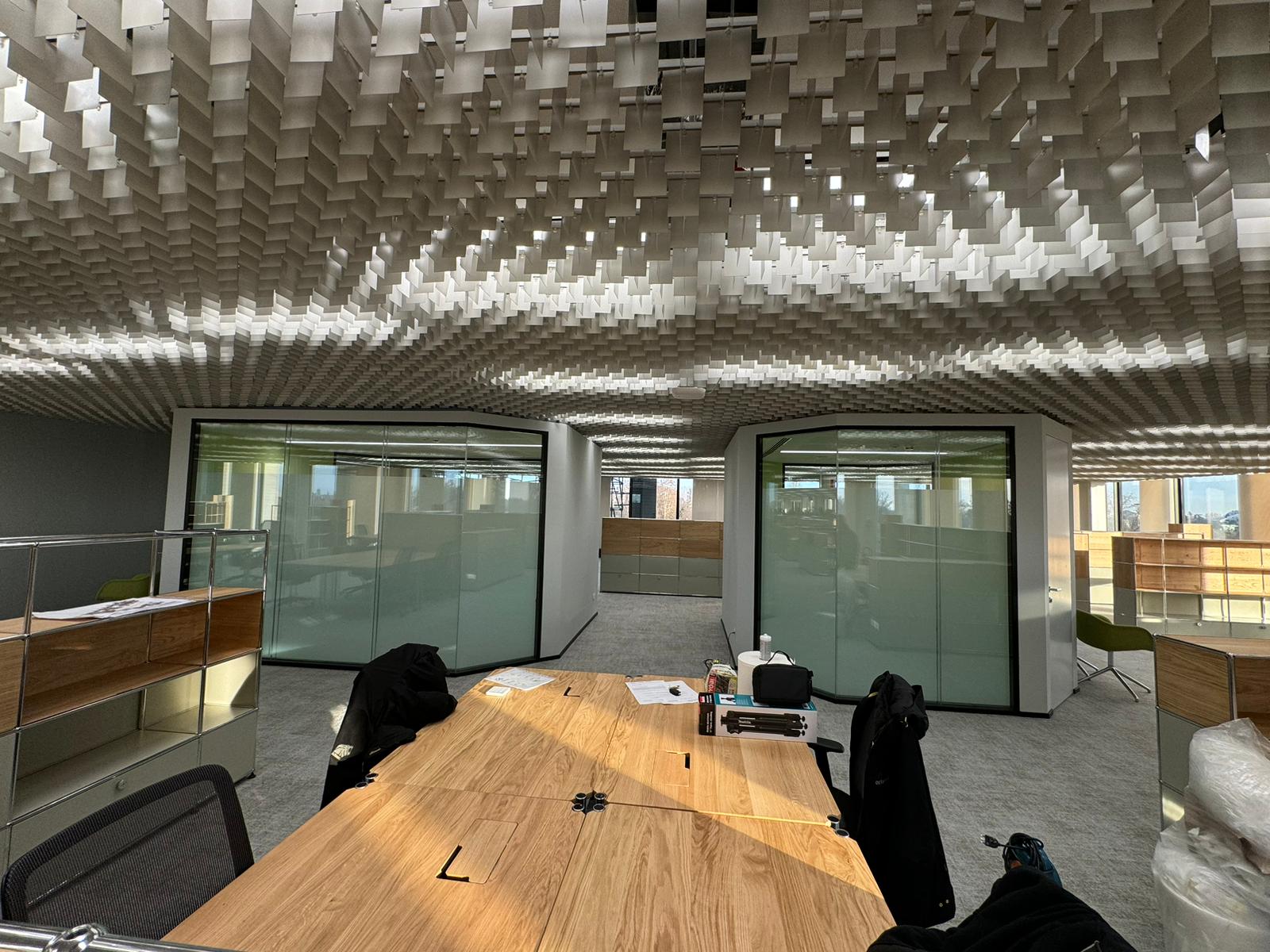
In architecture and interior design, smart films are increasingly used to create dynamic, elegant and highly functional environments. Smart films applied to glass walls, glass partitions and internal façades make it possible to transform open spaces into private areas with a simple command, while maintaining high levels of natural light. This makes them ideal for executive offices, meeting rooms, showrooms and corporate spaces that require operational flexibility and strong aesthetic presence.
Integrating smart films into contemporary design projects also enhances the technological image of spaces, reinforcing the perception of innovation and modernity. Architects and designers increasingly choose smart films to replace traditional solutions such as curtains and mechanical shading systems, achieving clean, minimalist and high-performance surfaces.
Smart films in medical, healthcare and corporate sectors
Smart films are particularly strategic in medical and healthcare environments, where privacy, hygiene and functionality are essential. Clinics, hospitals and diagnostic centers use smart films on glass walls and internal windows to ensure patient privacy without compromising brightness. Unlike traditional curtains, smart films do not accumulate dust and are easier to sanitize, contributing to higher hygiene and operational standards in healthcare facilities.
In the corporate sector as well, smart films represent a highly effective solution. Open-plan offices, conference rooms and executive environments benefit from the ability to adjust glass transparency according to operational needs, improving visual comfort and space management.
Smart films and energy savings in modern buildings
One of the most significant advantages of smart films is their contribution to energy savings and building efficiency. Smart films help reduce solar radiation and internal overheating, decreasing the need for air conditioning and lowering energy consumption. This makes smart films particularly attractive for sustainable buildings, modern offices and high energy-efficiency structures.
By modulating transparency, smart films also improve thermal and visual comfort, reducing glare and reflections while optimizing the use of natural light. The use of smart films therefore contributes not only to lower operating costs, but also to improved well-being in working and living environments.
Applications of smart films in retail, hospitality and luxury spaces
In the retail and hospitality sectors, smart films offer both strong visual impact and functional benefits. Dynamic shop windows, luxury boutiques, hotels and exhibition spaces use smart films to create technological and highly distinctive environments. Glass surfaces equipped with smart films can transform instantly, enhancing the customer experience and elevating spatial design.
Smart films can also be integrated with building automation and smart systems, enabling remote control of glass transparency and allowing environments to adapt to different usage needs throughout the day.
Why smart films are a strategic technology for the future
Smart films are today an advanced technological solution capable of meeting the demands of privacy, design, energy efficiency and architectural innovation. Their ease of installation on existing glass, combined with high technical performance, makes smart films an ideal choice for both new constructions and renovation projects. In a market increasingly focused on sustainability and technology, smart films are emerging as a key element in the development of smart buildings and next-generation dynamic spaces.